


Alcohol and Anxiety: The Relief That Lies to You
Alcohol can make anxiety feel quieter in the moment by slowing the nervous system and easing tension, but that calm is temporary and misleading. As alcohol wears off, the brain rebounds, often intensifying anxiety, disrupting sleep, and increasing reliance on drinking for relief. Over time, this cycle can deepen both anxiety and alcohol use, especially in social situations where confidence starts to feel dependent on a drink. Breaking that pattern means addressing anxiety and substance use together, so real relief doesn’t come with a crash afterward.

The Psychology Behind Shutting Down During Conflict
Shutting down during conflict isn’t about avoidance or indifference—it’s a nervous system response to feeling overwhelmed or unsafe. When tension rises, some people move into emotional freeze, going quiet or numb as a way to protect themselves from perceived harm. This pattern is often shaped by past experiences, trauma, anxiety, or addiction, and it can make communication feel impossible even when connection is deeply wanted. Understanding why shutdown happens opens the door to healthier ways of staying present, expressing needs, and navigating conflict without disappearing.

Your Brain on Benzos and Why Stopping Is Harder Than People Think
Benzodiazepines can feel like a lifeline at first, but stopping them often reveals how deeply they’ve reshaped the brain’s stress and calming systems. Withdrawal isn’t just uncomfortable—it can be intense, prolonged, and emotionally disorienting, especially when the nervous system has relied on benzos to stay regulated. Symptoms like anxiety, insomnia, and sensory overload aren’t signs of weakness; they’re predictable responses to chemical change. Because sudden cessation can be dangerous, a slow, supported taper and integrated mental health care are essential for healing safely and sustainably.

The Real Signs of Job Burnout, and When to Get Help
Job burnout goes beyond feeling tired—it creeps in as chronic exhaustion, emotional numbness, and a sense of detachment that can affect every part of life. It shows up in the mind as cynicism or overwhelm and in the body as fatigue, headaches, muscle tension, and sleep issues. Left unchecked, burnout can fuel substance use, worsen mental health, and make daily life feel unmanageable. Recognizing the signs and seeking support can help break the cycle, rebuild balance, and restore energy, focus, and connection.

Why Alcohol Tolerance Keeps Climbing
Over time, alcohol can stop hitting the way it used to, not because of strength or willpower, but because the body and brain adapt. This rising tolerance often leads to drinking more without realizing the strain it puts on physical health, mental well-being, and daily life. Men and women experience these changes differently, and factors like altitude can intensify effects. Recognizing tolerance isn’t about blame—it’s a signal that the body is under stress. With guidance and support, it’s possible to recalibrate, reduce risk, and rethink your relationship with alcohol.
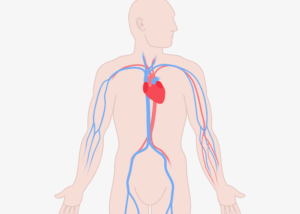
Signs Your Nervous System Is Dysregulated
When stress never fully turns off, the body starts reacting to life as if danger is always nearby—or as if nothing matters at all. This kind of nervous system strain can show up as constant tension, emotional numbness, disrupted sleep, brain fog, or a strong pull toward substances for relief. These reactions aren’t signs of weakness; they’re protective patterns shaped by overwhelm, trauma, or prolonged mental health challenges. Learning to work with these signals, rather than fighting them, can open the door to steadier emotions, clearer thinking, and a renewed sense of balance.